Knowing how to check AI output for errors is the skill that makes every other AI skill safe to use.
The good news: you don't need to be technical. You need a short routine, applied every time, and an eye for the five places errors hide. This guide gives you both, with a checklist you can run on any draft.
Why AI Output Contains Errors
Language models write by predicting likely text. When the right answer is well represented in what they learned, or sits in a document you supplied, they usually get it right. When it isn't, they don't go quiet; they produce something that looks like a right answer. The tone stays just as confident either way, which is what makes the errors easy to miss.
Errors also creep in through helpfulness. Ask for a customer reply and the assistant may add a promise to ship tomorrow, because replies like that often contain one. Nobody asked it to; it was filling in the expected shape.
The Four-Pass Method
Read the draft four times, each time looking for one kind of problem. It sounds slow. In practice each pass takes seconds once you're used to it, and splitting them up stops you skimming past errors because the writing sounds good.
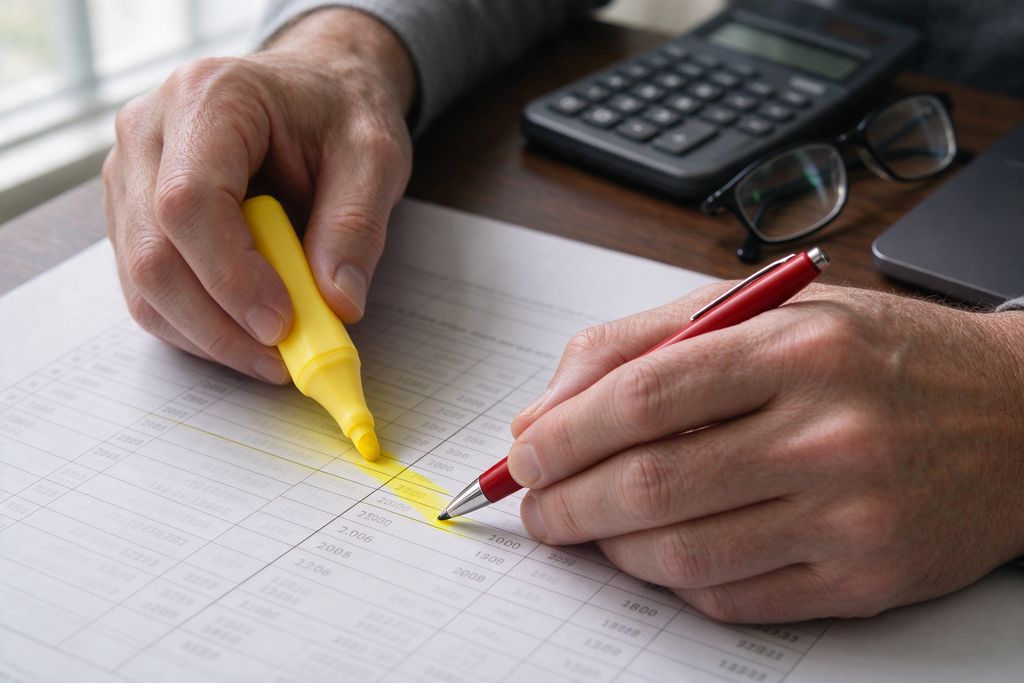
- Facts pass. Highlight every name, number, date, quote and link. Each one needs a source you trust or it gets cut.
- Additions pass. Find anything you didn't supply: promises, offers, claims about your business. Delete or confirm each one.
- Fit pass. Is it right for this reader? Tone, length, reading level, and whether it answers what they actually asked.
- Sign-off pass. Would you put your name to it? If anything still feels off, it isn't ready.
The most dangerous AI error is the one that is almost right: a real regulation with the wrong threshold, a real product with last year's price. Near-misses pass a skim read. Check against the source, not against your memory.
Interactive Checklist
Run this on the next AI draft you plan to send. Tick each item only once you've actually done it.
Before it leaves your desk
How to Check Sources
If the assistant gives sources, open each one. Confirm three things: the page exists, it says what the draft claims, and it is recent enough to rely on. If it gives no sources, ask for them; if it still can't, find the fact yourself from an official or primary source, or remove it.
List every factual claim in your previous answer as a numbered list. For each, say whether it came from the text I gave you, from general knowledge, or is an estimate, and how I could verify it.
This prompt doesn't make the answer true, but it shows you where to look. Claims marked as estimates or general knowledge are your checking list.
The messy middle: the citation that almost exists
A frequent pattern is a reference to a real organisation with a plausible report title that the organisation never published. The link may go to the organisation's home page, which makes it feel verified. It isn't. The specific document has to exist and contain the claim.
Match the Checks to the Stakes
| Output | Stakes | Minimum check |
|---|---|---|
| Brainstorm list | Low | Skim; verify only what you'll use |
| Internal summary | Medium | Key figures and decisions against the source |
| Customer email | High | All four passes and a human sign-off |
| Published page or policy | High | All four passes, sources linked, second reader |
| Anything legal, tax or financial | Very high | Confirm with a qualified professional |
Pair this routine with the AI data privacy guide, since the review pass is also your last chance to catch details that shouldn't be there, and with the prompting guide, since better prompts mean fewer errors to find.
The Bottom Line
Check names, numbers, dates, quotes and promises against real sources, then have a person sign off anything that leaves the business.
- Four passes: facts, additions, fit, sign-off.
- Open every source; confirm it says what's claimed.
- Scale the effort to the stakes.
Independent guide. Product names, features and data terms change often; check each vendor's current documentation before you rely on a feature. Nothing here is legal, security or professional advice.